Newsletter
2026 Nr. 3: Fall Update – What We're Working On

Published
October 26, 2026
Dear reader,
Europe's quest for technological sovereignty continues to shape the policy agenda. But how can these ambitions be put into practice? Beyond building domestic capabilities, tech sovereignty requires skilled talent – and the EU’s own strategy also doubles down on international partnerships. Some of our latest research explores both dimensions, from EU–South Korea semiconductor cooperation to the role of AI talent in Germany's economy.
Meanwhile, Europe continues to grapple with how to shape safer and more accountable digital spaces. Recent interface research looks at different aspects of this challenge, from the implementation of the Digital Services Act and debates over age restrictions on social media to fresh insights into how young people in France are actually using AI.
You'll find these and other recent publications in this newsletter, alongside highlights from our media contributions and other activities over the past months.
And one more thing: We're hiring! We're looking for a new colleague to join our communications team, with two student assistant positions also available in our Cybersecurity programme. We'd love to hear from interested readers and would appreciate your help spreading the word in your networks. You can find all openings here.
Happy reading!
Luisa Seeling
Lead Writing, Editing & Publishing
Our Latest Policy Papers
Growing Up With Generative AI: What French Teenagers' Experiences Tell Us About the Future of Online Child Safety
by Jessica Galissaire
Jessica Galissaire examines how young people use AI, drawing on new YouGov survey data to inform the ongoing debate about age restrictions and the protection of minors online.
Tech Sovereignty and the EU's Chips Act 2.0 in Practice: A Case Study on Commercial Cooperation Between the Republic of Korea and the EU
by Julia Christina Hess
Europe's semiconductor ambitions depend not only on domestic capabilities but also on international partnerships. Julia Christina Hess explores how closer cooperation with South Korea could strengthen Europe's chip ecosystem.
Different Risks, Different Rules? The Case of ChatGPT under the DSA and the AI Act
by Lena-Maria Böswald
As ChatGPT takes on search engine functions, new regulatory questions arise. Lena-Maria Böswald examines how the DSA and AI Act address the different risks associated with generative AI.
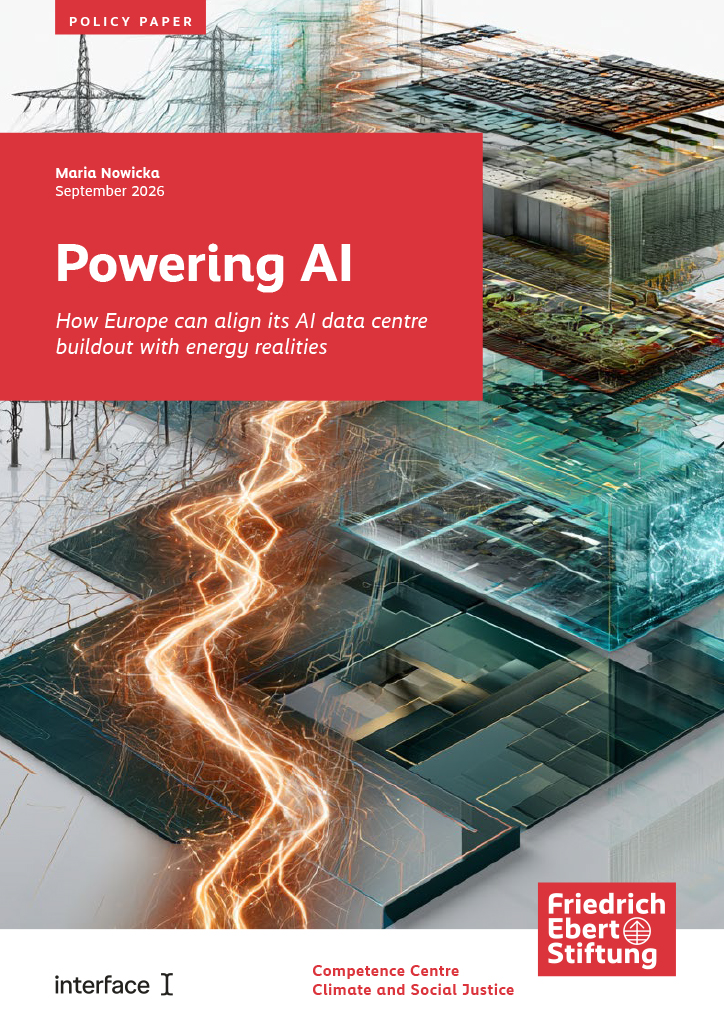
Powering AI: How Europe Can Align Its AI Data Centre Buildout with Energy Realities
by Maria Nowicka
In a policy brief produced with the support of the Friedrich-Ebert-Stiftung's Just Climate Competence Center in Brussels, Maria Nowicka examines how Europe can expand its AI data centre infrastructure without putting additional strain on electricity grids and climate goals.
Germany's AI Divide: Startups, Industry and the Race for Talent
by Siddhi Pal and Catherine Schneider
Drawing on around 117,000 professional profiles, Siddhi Pal and Catherine Schneider explore where Germany's AI talent is concentrated, revealing regional disparities and differences between startups and established industries.
An Operational Framework for AI Literacy in the Workplace: Informing Action Plans under the EU AI Act
by Lucia Velasco, Siddhi Pal and Catherine Schneider
What does AI literacy actually mean in the workplace? Lucia Velasco, Siddhi Pal and Catherine Schneider propose a practical framework to help organisations develop AI literacy in line with the EU AI Act.
A UN Effect? How the EU Implements the Norms of Responsible State Behavior in Cyberspace
by Dr. Patryk Pawlak and Christina Rupp
How does the EU put the UN's eleven voluntary cyber norms into practice? Patryk Pawlak and Christina Rupp examine progress, gaps and challenges in translating international commitments into concrete policies.
interface in the Media
Please note that some content may be behind a paywall, and not all of it is in English.
-
Cybernation Podcast: In the latest episode, Dr. Sven Herpig and co-host Johannes Steger question common narratives around AI risks, corporate responsibility and the hype surrounding the technology.
-
Tech Policy Press: Jessica Galissaire contributed an analysis of how the proposed EU KIDS Act fits into Europe's existing digital rulebook.
-
France 24: Dr. Sven Herpig discusses the implications of AI for national security.
-
Frankfurter Allgemeine Zeitung: The newspaper features Siddhi Pal and Catherine Schneider's research mapping Germany's 117,000 AI professionals.
-
Le Monde: Lena-Maria Böswald explains the regulatory implications of ChatGPT's designation as a search engine under EU rules.
-
Internationale Politik: In a guest analysis, Dr. Thorsten Wetzling examines Germany's proposed intelligence reform and its implications for parliamentary oversight.
-
MLex: Maria Nowicka highlights the energy demands of AI data centres and the challenges they pose for Europe's electricity grids.
-
Euronews: Dr. Nicole Lemke comments on Chancellor Merz's remarks about Germany's economic outlook.
-
The New York Times: Jessica Galissaire provides context on France's move to restrict social media access for children.
In Case You Missed It...
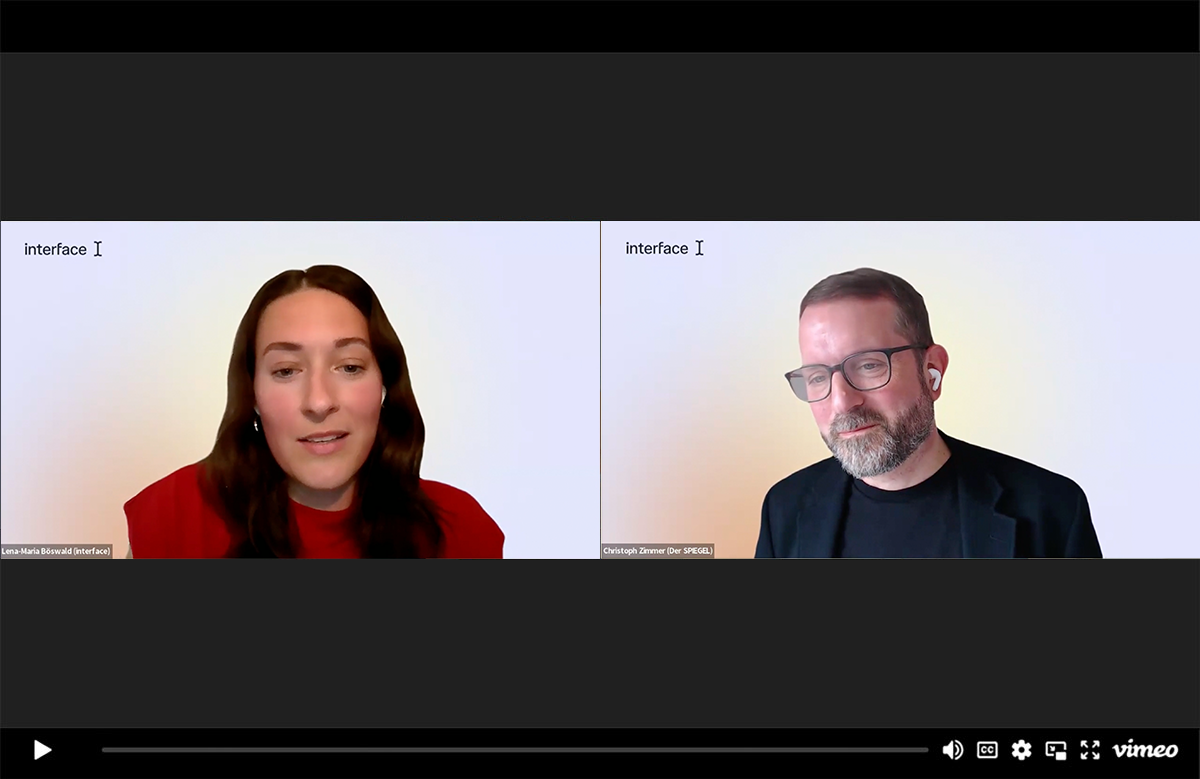
Background Discussion: AI and the Future of Journalism
How is AI changing the way we access news, and what does this mean for journalism? On 29 September, Lena-Maria Böswald discussed these questions with Christoph Zimmer, Chief Product Officer at DER SPIEGEL. If you missed the event, you can watch the full recording here. For more on the topic, revisit our policy brief From Crisis to Renewal: Addressing AI’s Impact on Our Information Ecosystem.