Panel Discussion
Official Pre-Event for the India AI Impact Summit
February 2026
Monday
02
10:00 - 12:30
(CET)
with
Location
Ace Events, Avenue d'Auderghem 22/28, 1040 Brussels
Programmes
interface, in collaboration with the Embassy of India in Brussels, organised an official pre-summit event on 2 February 2026, ahead of the India-AI Impact Summit.
You can find a readout of the event below, and at this link:
As world leaders prepare to gather for the next major global artificial intelligence conference in New Delhi on 19-20 February, a critical question looms: How do we build AI-ready workforces that can navigate one of history's most transformative technological shifts?
Why This Matters Now
AI talent development sits at the heart of the New Strategic EU-India Agenda, yet our regions face starkly different realities, from education system capacity to workforce mobility frameworks. This conversation will bridge policy ambitions with practical challenges, drawing insights from leaders shaping AI skills strategies on both sides.
Confirmed Speakers
○ H.E. Saurabh Kumar, Ambassador of India to the EU, Belgium and Luxembourg (opening remarks)
○ Anita Vella, Head of Unit, Migration and Home Affairs, European Commission
○ Georgi Dimitrov, Head of Unit, Digital Education, European Commission
○ Francesca Borgonovi, Head of Skills Analysis, OECD Centre for Skills
○ Andreea Calbeaza, Senior Manager, Government Affairs, Microsoft
○ Moderated by Siddhi Pal, Lead, AI Workforce & Innovation, interface
Event Details
DATE: Monday, 2 February 2026
TIME: 9:45 registration open, 10:00 opening remarks, 11:30-12:30 Lunch
FORMAT: Panel discussion & Q&A, followed by networking lunch
VENUE: Ace Events, Avenue d'Auderghem 22/28, 1040 Brussels
Registration is required. Seats are limited and filling quickly.
______________________________________________________________________
Event Readout
2nd February, 2026 | 10 AM Brussels, Belgium
interface, in collaboration with the Embassy of India in Brussels, held an official pre-summit event, ahead of the upcoming India AI Impact Summit. The event convened policymakers, international organisations, industry leaders, and education experts to explore a timely and critical question: how can the EU and India build AI-ready workforces capable of navigating rapid technological transformation?
Opening Reflections: Strengthening the EU-India Partnership
The event opened with keynote remarks from H.E. Saurabh Kumar, Ambassador of India to the EU, Belgium, and Luxembourg. He highlighted the growing strategic importance of EU-India cooperation across defence, security, technology, and talent mobility. Bringing in insights from the EU-India Summit last week, and building towards the India AI Impact Summit in two weeks, he emphasised the importance of the dialogue that took place at the event. The Ambassador underlined that India and the EU increasingly recognise that successful cooperation depends not only on shared ambitions, but on effective implementation and sustained political commitment.
Policy Perspectives: Updates from the EU-India Summit
Anita Vella, Head of Unit for Migration and Home Affairs at the European Commission, outlined the deepening EU-India partnership on labour mobility and skills development. She highlighted the recently signed Memorandum of Understanding establishing a comprehensive framework for cooperation on mobility, facilitating the movement of students, researchers, and highly skilled workers while promoting an ecosystem of research and innovation. Vella also spoke to the High-Level Education and Skills Dialogue, which aims to advance cooperation on education, training, and skills policies, including mutual recognition of qualifications and demand-driven skills development with an initial focus on the ICT sector. On practical next steps, she announced the forthcoming rollout of a one-stop information hub in India to provide tangible support to aspiring students and professionals, and confirmed that the pilot of a legal gateway office will launch in the margins of the AI Impact Summit in New Delhi. These initiatives, Vella noted, are designed to foster people-to-people ties and support economic growth as complementary measures to broader EU-India trade and investment frameworks.
Panel Insights: AI Skills, Competitiveness, and Collaboration
Moderated by Siddhi Pal, Lead for AI Workforce and Innovation at interface Panelists: Georgi Dimitrov, Head of Unit for Digital Education at the European Commission; Francesca Borgonovi, Head of Skills Analysis at the OECD; Andreea Calbeaza, Government Affairs Manager at Microsoft Siddhi Pal opened by framing the Summit deliverables within interface's research on AI talent flows. India is Europe's leading source of foreign AI talent, reaching 30% of the workforce in countries like Ireland, yet Europe faces shortages not only in technical roles but also in the broader "AI-literate" workforce. The Legal Gateway Office and Skills Dialogue, she noted, are designed to address this gap by facilitating talent mobility and mutual recognition of qualifications.
The panel explored how the EU and India can collaborate on workforce development in the age of AI, with speakers converging on a central insight: AI readiness begins with people.
Georgi Dimitrov framed the EU-India Summit outcomes as a "historical moment" built on decades of cooperation, noting India's position as the largest beneficiary of programmes like Erasmus Mundus. He emphasized that AI literacy is no longer a technical skill but a foundational competency that cuts across democracy, creativity, and human agency, and one that should be introduced at primary and secondary levels. The Commission will launch an AI literacy framework before summer, which Dimitrov suggested could become a subject for EU-India exchange, with opportunities for mutual learning. He stressed that establishing shared terminology is a necessary condition for cooperation, noting that even within Europe, aligning on definitions across countries and cultures remains challenging.
Francesca Borgonovi offered an analytical perspective on the shifting skills landscape. She cautioned against an exclusive focus on specialized AI talent, which represents less than one percent of the workforce, arguing that the greater need lies in professionals who can build data infrastructure and enable AI adoption at the business level. Drawing on OECD data, she noted that while employment rates remain historically high, the pace of change has accelerated dramatically: skills requirements that previously shifted over five years are now changing in three. To address growing mismatches between education systems and labour market demands, Borgonovi called for movement toward "skills-first" labour markets, improved quality certification for informal learning, and common frameworks that allow policymakers and employers to identify the competencies they actually need.
Andreea Calbeaza brought a private sector lens, underscoring that political will to prioritize talent, now visible in trade negotiations, marks a shift from even five years ago. She highlighted what makes public-private partnerships succeed: alignment across different operating systems, incentives, and timelines. Citing examples from India's national skilling platform (linked to a commitment to train 10 million people by 2030) and European initiatives focused on teacher capacity and trade union engagement, she argued that systemic, long-term approaches must take precedence over one-off programmes. On talent mobility, Calbeaza urged a reframing: movement should be seen as circulation that supports two-way learning, not as brain drain that leaves regions behind.
Q&A Discussion
The event concluded with an engaging Q&A. Ambassador Saurabh Kumar opened by cautioning that if the EU advances its own terminology frameworks without early engagement, India may resist adoption; joint dialogue should begin as soon as possible. This prompted a broader discussion on where EU- India cooperation should focus within the AI ecosystem. Dimitrov acknowledged that neither region is self-sufficient across data, software, hardware, and talent, but emphasized that the EU's Apply AI Strategy prioritizes application over competition in AGI, an approach where skills become a competitive advantage and where India and Europe can build on their respective industrial bases. Several questions explored how to define and measure AI literacy in practice. Borgonovi noted that literacy requirements vary by context: a doctor's AI literacy might involve knowing what patient information to input and what problems AI can appropriately solve. When asked whether the Commission would make AI skills frameworks mandatory, Dimitrov clarified that the EU lacks authority over national curricula but is working to shift AI literacy from a vertical (technical) to a horizontal (crosscutting) competency, with practical guidance for implementation and efforts to secure buy-in from ministries beyond education.
On measuring ethical and responsible AI skills, Borgonovi acknowledged the difficulty of surveying such a small and rapidly evolving talent pool with precision, noting that the OECD relies on analysis of online job postings to track the prevalence of relevant competencies. A final question raised the structural barriers to connecting Indian and European labs and entrepreneurs. Dimitrov agreed that linking research ecosystems is an emerging priority for the medium term, alongside the immediate focus on supporting educators and teachers.
interface thanks the esteemed speakers who contributed to this dialogue and all the participants for a productive and timely exchange. The insights from this event will inform interface's ongoing research on AI workforce development and feed directly into discussions at the India AI Impact Summit in New Delhi. For those interested in continuing the conversation or learning more about interface's work on AI talent and skills, please reach out to Siddhi Pal at spal@interface-eu.org.
Meet the speakers

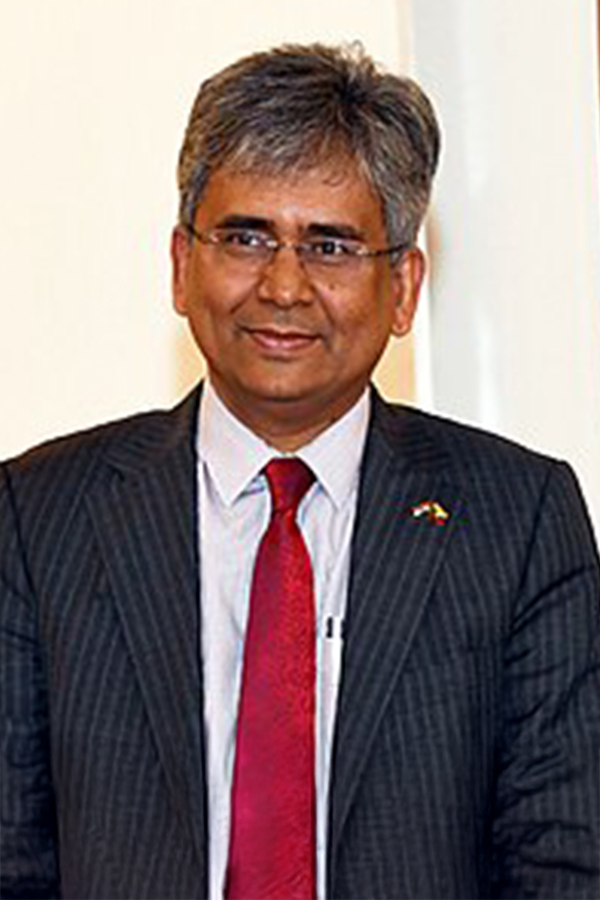
H.E. Saurabh Kumar, Ambassador of India to the EU, Belgium and Luxembourg
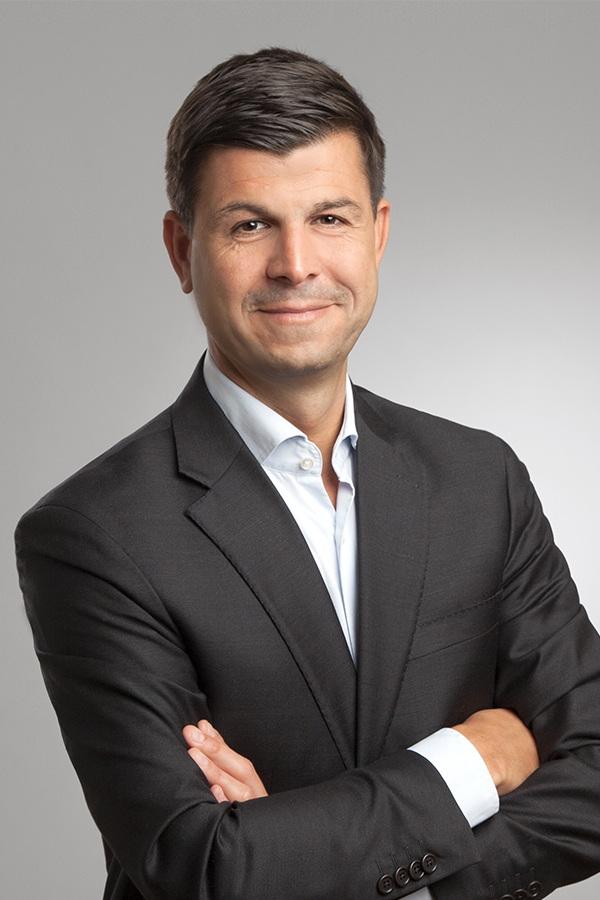
Georgi Dimitrov, Head of Unit, Digital Education, European Commission
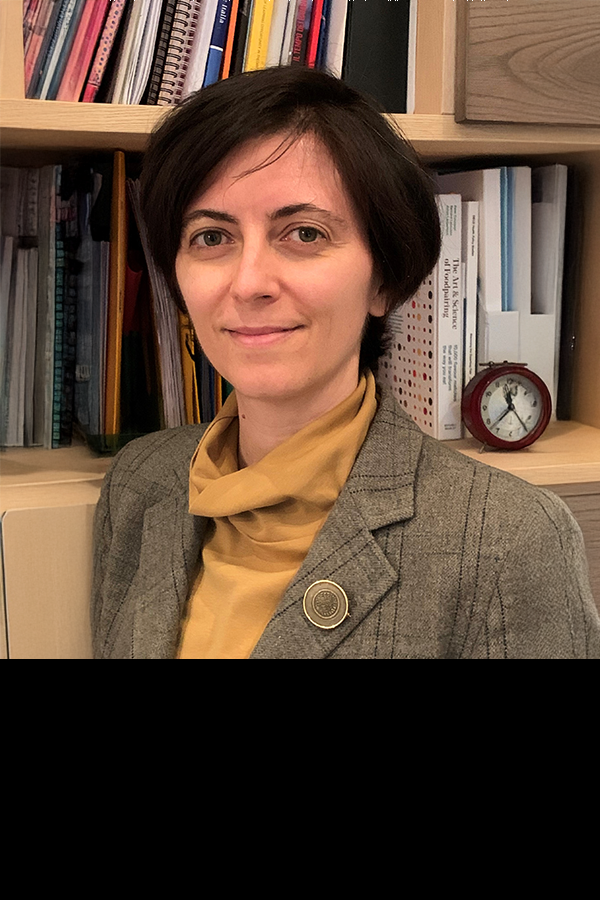
Francesca Borgonovi, Head of Skills Analysis, OECD Centre for Skills
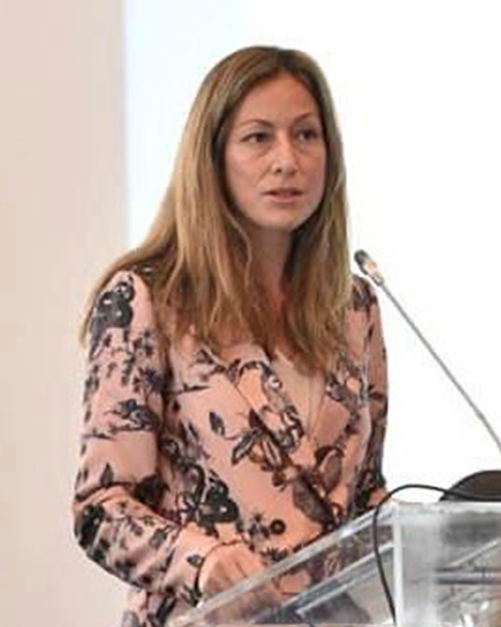
Anita Vella, Head of Unit, Migration and Home Affairs, European Commission